Skip to content
Riverside Fence and Decks

Deck and fence maintenance

Repair what is sound. Replace what is not. Protect the rest.

Riverside looks beyond the faded surface to find movement, moisture, loose connections, rot, failed posts, gate problems, and unsafe railings—then explains the smallest responsible scope instead of assuming everything needs to be rebuilt.

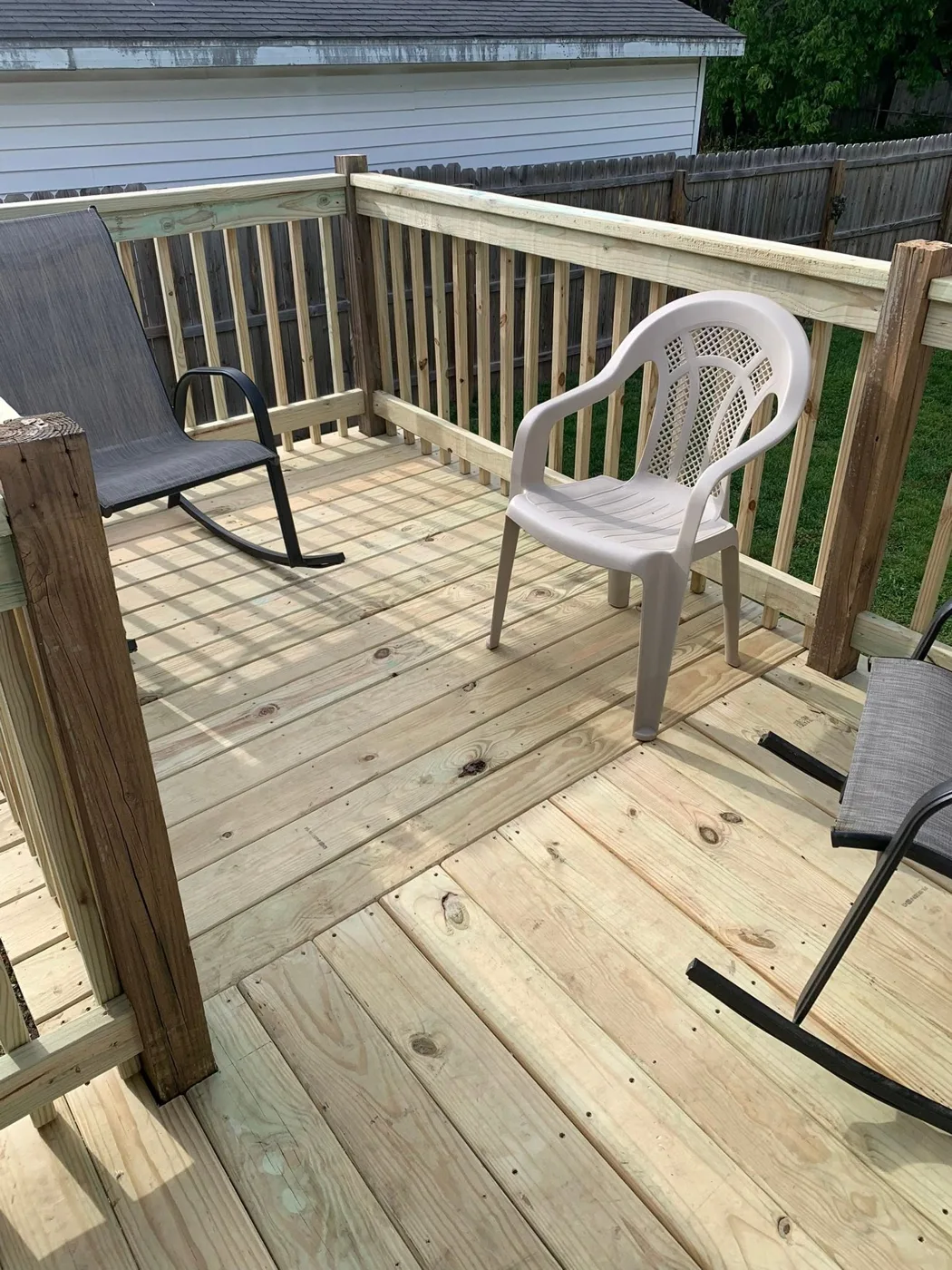
Fresh deck boards and outdoor furniture on a renewed Central Illinois deck

Diagnose before pricing

Surface wear and structural failure are not the same problem

Gray wood, peeling finish, and algae can make a deck look worse than it is. At the same time, a freshly painted surface can hide soft boards, weak stairs, loose guards, or water damage at the house. Riverside checks the condition that affects safety and service life before recommending cosmetic work.

The same principle applies to fences. One failed post, a sagging gate, storm-damaged panels, or a few deteriorated boards may be repairable. Widespread post movement or decay can make repeated patching poor value. A written repair scope should make the condition, recommended work, and excluded areas clear.

Deck repairs

Board replacement, stair and railing work, framing corrections, fasteners, skirting, and targeted rebuilding after the supporting structure is assessed.

Fence repairs

Leaning or damaged sections, posts, rails, pickets, panels, caps, hardware, and storm damage, with attention to matching existing materials where practical.

Gate adjustments

Diagnose sag, drag, latch alignment, hinge wear, post movement, and clearance instead of treating the latch as the only problem.

Cleaning & refinishing

Preparation, cleaning, drying, and compatible stain or sealer are planned as a system. A finish cannot correct rotten wood or trapped moisture.
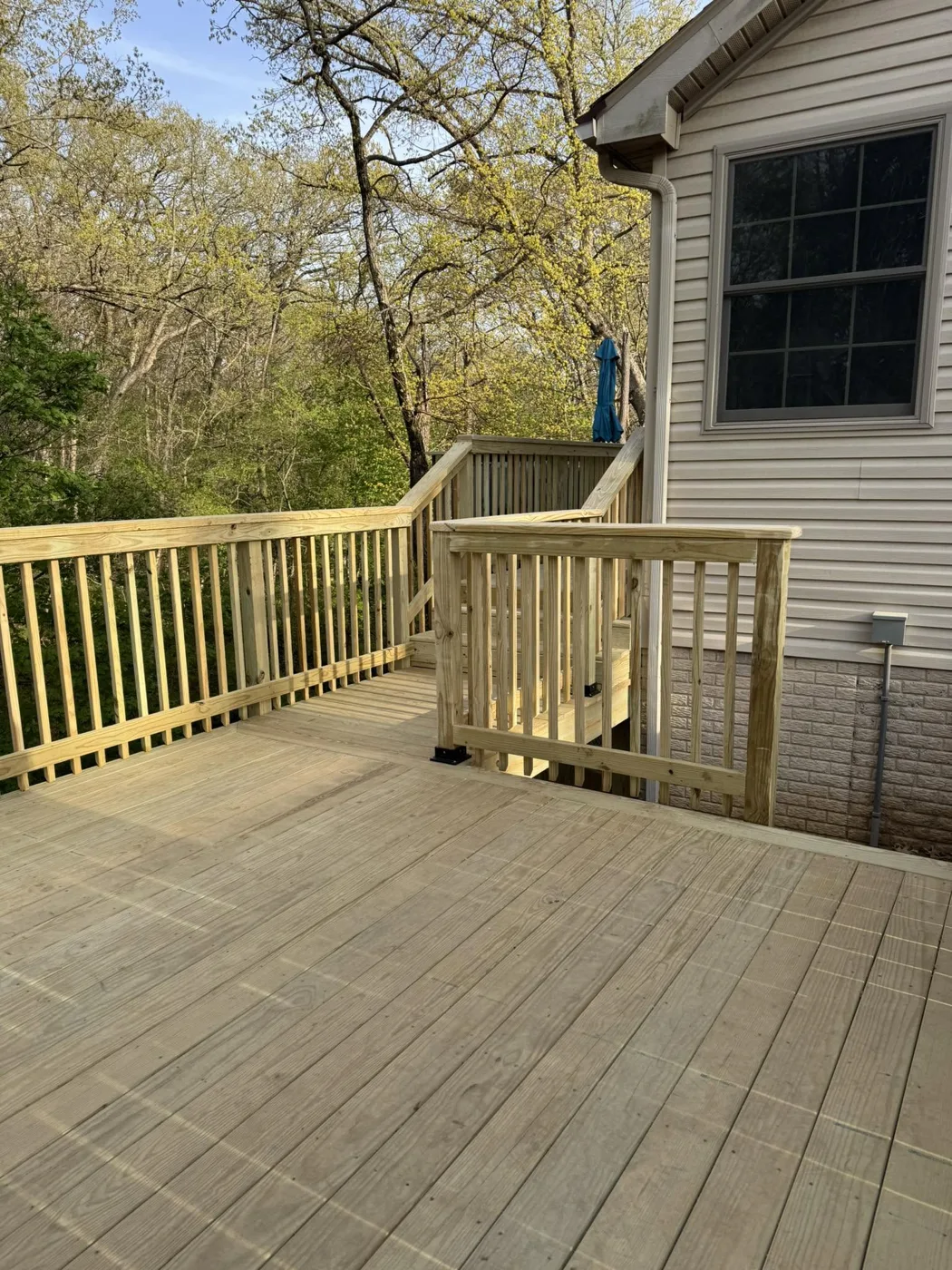
Deck corner and railing details ready for a condition and safety assessment

A condition-based scope

Inspect the structure, connections, drainage, and high-wear areas

On decks, Riverside pays particular attention to stairs, guard posts, ledger and house connections, joist ends, beam and post contact points, surface softness, fasteners, and places that stay damp. On fences, the focus includes post movement, soil line deterioration, rail connections, wind exposure, gate posts, and the spread of damage beyond the obvious panel.

Some concealed conditions cannot be confirmed until boards or finishes are removed. A good proposal identifies what can be seen, what is assumed, and how hidden deterioration would be handled if discovered. That is more useful than a low repair number built on optimistic guesses.

  • Soft, cracked, cupped, or splintering boards
  • Loose stairs, guards, and handrails
  • Leaning fence posts and failed rails
  • Dragging gates and misaligned latches
  • Moisture traps and poor drainage
  • Rusting or inappropriate fasteners
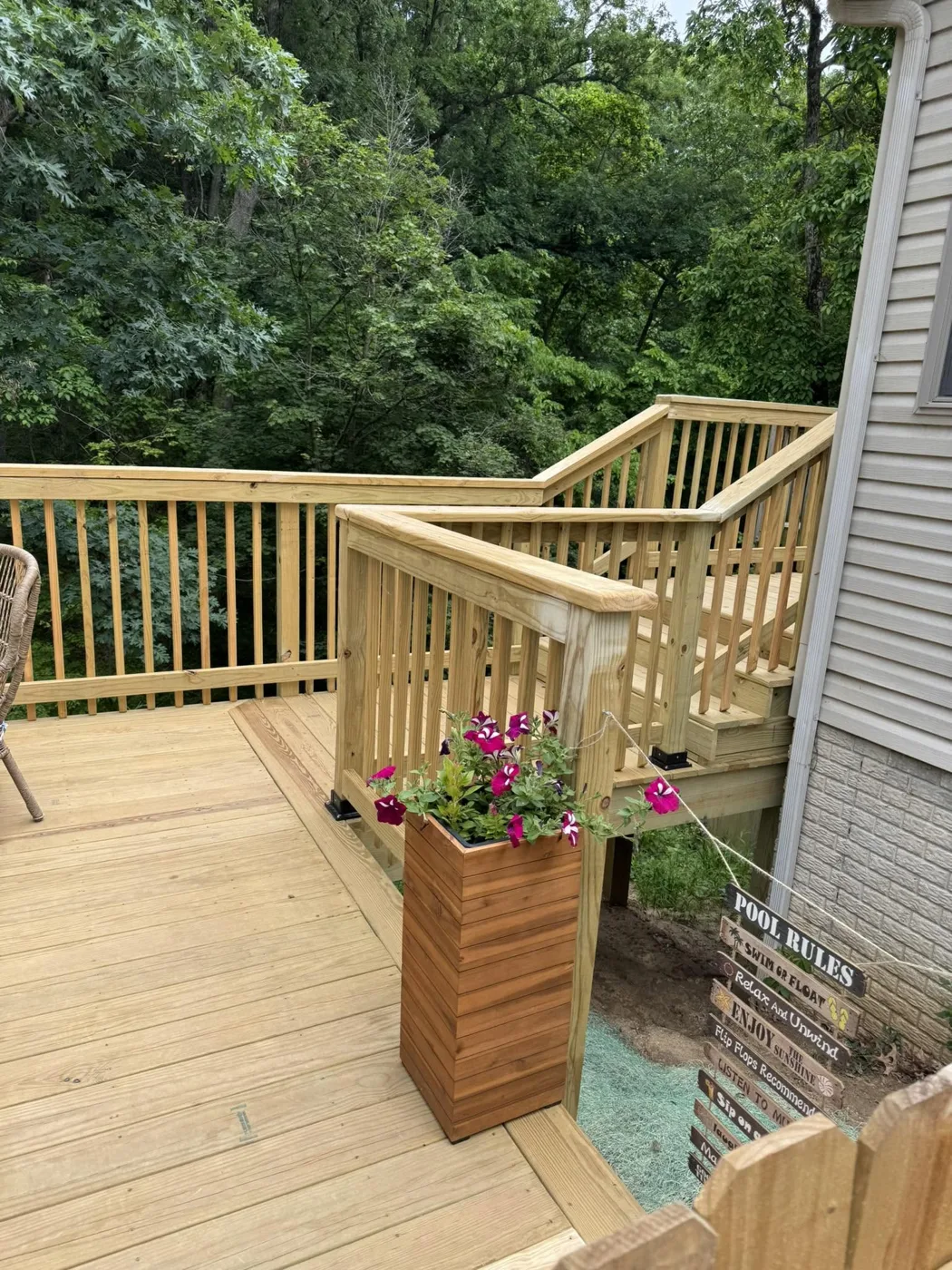
Well-maintained wood deck with built-in planters and a warm protective finish

Preparation makes the finish

Cleaning, drying, sanding, and product compatibility matter

Stain and sealer perform best on a properly prepared, sufficiently dry surface. Existing coatings, mildew, dirt, UV damage, new pressure-treated lumber, shaded areas, and past products can change the preparation and the finish that makes sense. Applying a premium product over poor preparation usually produces a short-lived result.

Riverside discusses the desired appearance, the limits of color consistency on repaired or weathered wood, and the maintenance cycle the homeowner is willing to follow. Transparent, semi-transparent, and more opaque finishes each trade visible grain for color uniformity and coverage.

  • Condition and coating review
  • Appropriate cleaning approach
  • Dry-time and weather planning
  • Spot sanding and surface preparation
  • Compatible stain or sealer selection
  • Realistic color and maintenance expectations
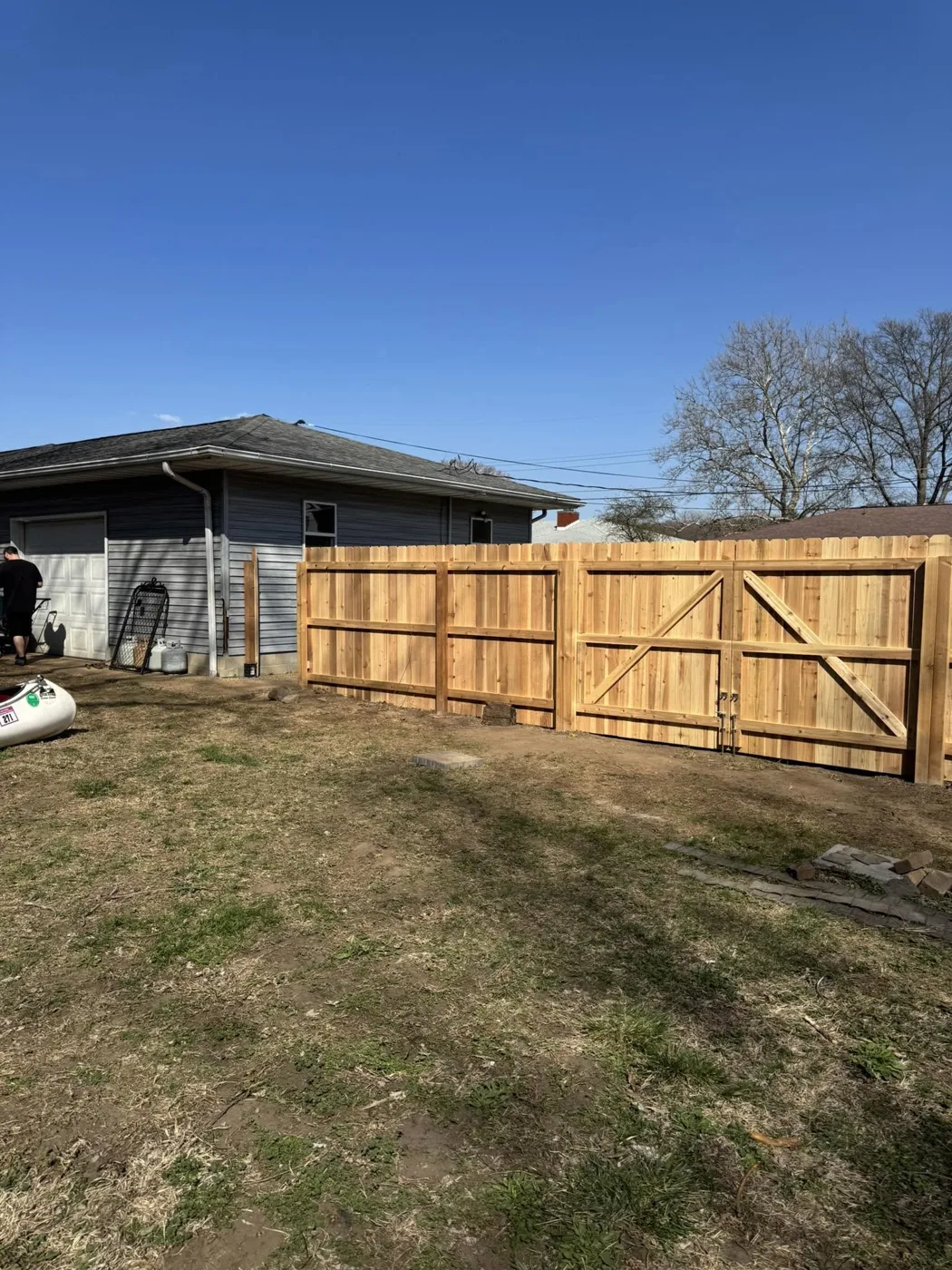
Wood privacy fence in a backyard showing the value of timely maintenance and repair

Repair versus replacement

Spend where the work will produce meaningful additional life

Selective repairs make sense when the primary structure or fence line remains sound and the problems are isolated. Replacement becomes more compelling when deterioration is widespread, connections are fundamentally deficient, the layout no longer works, or a series of small fixes approaches the value of a better rebuild.

Riverside can separate urgent safety work from appearance upgrades and longer-term recommendations. That gives homeowners a practical path: correct what should not wait, protect sound material, and plan a larger project only when it is justified.

A clear path forward

Get from “something feels wrong” to a repair plan you can trust

Photos help with the first conversation, but an on-site condition review is the foundation for meaningful repair pricing. Riverside documents the visible issues and builds a scope around expected service life.

  1. 01

    Describe the symptoms

    Share where the deck or fence moves, leaks, drags, splinters, fades, or feels unsafe, along with any known repair history.

  2. 02

    Inspect the system

    Review structure, connections, posts, boards, gates, railings, drainage, finish condition, and the likely boundaries of the damage.

  3. 03

    Compare options

    See urgent repairs, optional refinishing, expected limitations, and replacement alternatives in a detailed, competitive scope.

  4. 04

    Repair & protect

    Complete agreed repairs, prepare surfaces correctly, apply the selected finish when conditions allow, and clean the work area.

See Riverside's full planning and construction process →

Questions homeowners ask

Straight answers before you request a bid

How do I know whether my deck should be repaired or replaced?

The answer depends on the condition of the framing, ledger, footings, stairs, guards, connections, and how widespread the deterioration is. Riverside evaluates the system and explains when targeted repairs offer reasonable added life versus when a rebuild is better value.

Can new deck boards be installed over old framing?

Sometimes, but only after the framing and connections are evaluated. New boards do not correct weak joists, poor flashing, inadequate attachment, or rotten structural members. The written scope should identify any framing work required.

How often should a wood deck or fence be stained?

There is no universal schedule. Sun, shade, moisture, traffic, wood species, preparation, and finish type all affect timing. Inspect annually for water absorption, fading, peeling, mildew, splinters, and exposed wood, then maintain according to the product and actual condition.

Can Riverside repair a sagging fence gate?

Yes, depending on condition. The gate frame, hinges, latch, clearance, and supporting posts are assessed together. If a gate post is moving, simply adjusting the latch will not provide a lasting fix.

Ready for a scope you can understand and a price you can compare?

Riverside will walk the site, listen to what matters, and prepare a detailed, competitive bid for your Central Illinois project.